
From Call for Abstracts to the Final Conference Program
Abstract management involves much more than collecting submissions.
Eventact gives organizers, scientific committees, chairs, reviewers, authors, and presenters dedicated tools for every stage of the process. Collect abstracts and session proposals, assign reviewers, manage peer review and committee decisions, communicate with authors, build the scientific program, collect e-posters, and publish the final agenda.
Because abstract management is integrated with conference registration, the event website, agenda, event app, communications, and onsite tools, information flows through the conference without repeatedly exporting, importing, or maintaining the same data in separate systems.
Built for scientific, medical, academic, and professional conferences with complex review and program requirements.
One Workflow from Submission to Publication
Collect
Accept abstracts, posters, session proposals, author information, files, images, biographies, and other required information using configurable submission forms.
Review
Assign submissions to reviewers manually or automatically and manage scoring, comments, conflicts of interest, blind review, revisions, and recommendations.
Decide
Give committees and track chairs the information they need to review scores, monitor progress, and make final acceptance and presentation decisions.
Build the Program
Turn accepted submissions into lectures, sessions, and poster presentations while managing speakers, chairs, rooms, tracks, and schedules.
Publish
Publish the scientific program, abstracts, speakers, and posters to the conference website and event app, with downloadable program documents when required.
Why Conference Organizers Choose Eventact
Flexible Abstract Submission
Create submission forms around your conference requirements rather than adapting your process to a fixed template. Collect abstracts, posters, session proposals, author affiliations, topics, presentation preferences, files, images, and biographies using custom fields, validation, and conditional logic.
Peer Review Built for Scientific Committees
Support simple or complex review workflows with configurable questions, scoring criteria, grading formulas, reviewer assignments, anonymous and double-blind review, conflicts of interest, revision requests, comments, and recommendations.
Committee & Chair Control
Give committee members and track chairs dedicated access to the submissions they are responsible for. They can review individual scores and comments, compare results, monitor review progress, and make final decisions.
Abstracts Become the Conference Program
Accepted submissions don’t need to be transferred into a separate agenda system. Schedule them directly into sessions, lectures, oral presentations, and poster sessions while managing speakers, chairs, rooms, tracks, and times.
Registration and Abstracts Work Together
Connect authors, presenters, speakers, and registrations. Use rules to support conference policies such as requiring presenters or submitters to register, and keep scientific and registration information connected throughout the event.
Multilingual by Design
Accept, manage, review, and publish content in multiple languages within the same conference project. Create multilingual agendas and participant-facing pages without maintaining separate events for each language.
E-Posters Included
Collect electronic posters as PDFs, multi-slide presentations, and content with video. Publish posters online and make them available to attendees through onsite displays, the conference website, and the event app.
Abstract Management Features
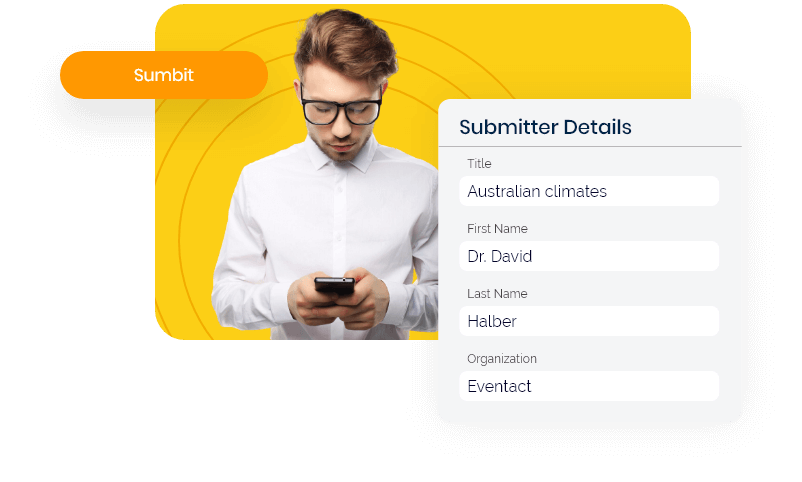
Abstract Submission Forms
Build highly configurable submission forms with custom fields, conditional logic, validation rules, and conference-specific requirements. Collect information including:
- Abstract title and body
- Authors and affiliations
- Presenting author
- Topics and tracks
- Preferred presentation type
- Keywords
- Files and images
- Speaker photographs and biographies
- Custom questions and declarations
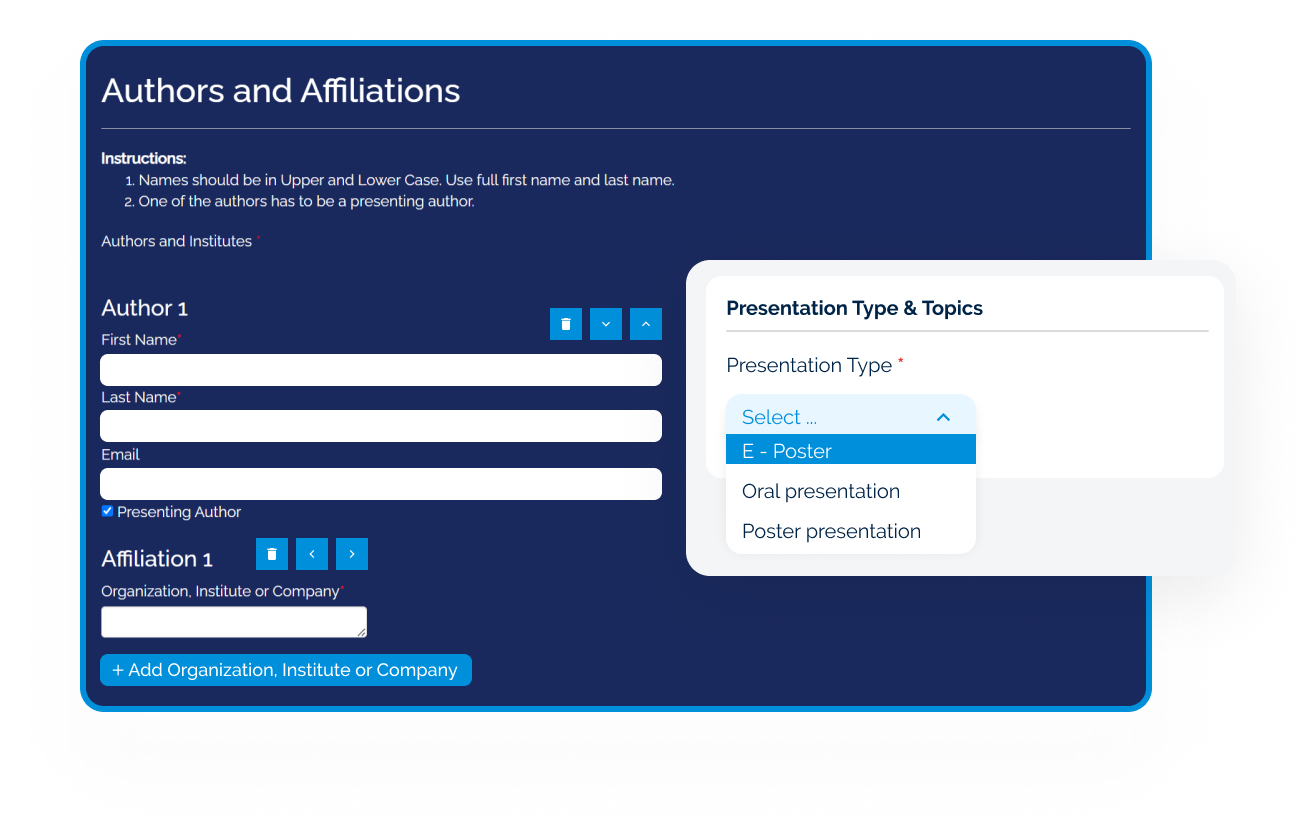
Session Proposal Forms
Collect complete session proposals rather than individual abstracts only. Proposals can include suggested sessions, lectures, abstracts, speakers, chairpersons, supporting information, and other fields required by the scientific committee.
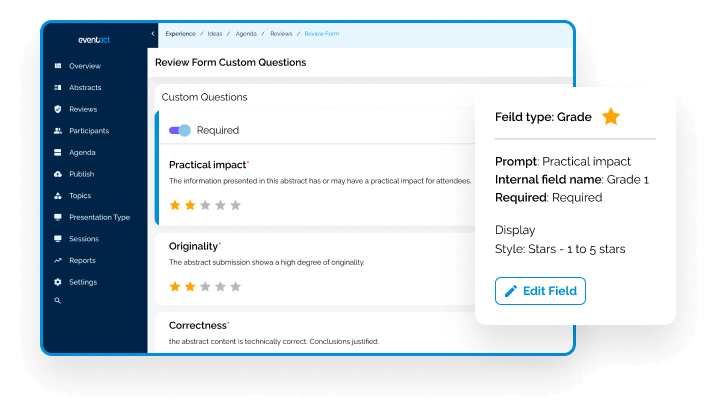
Abstract Review Portal
Provide reviewers with a dedicated environment for evaluating assigned submissions. Configure review questions, criteria, scoring rules, comments, and recommendations according to your conference’s review methodology. Supported workflows include:
- Anonymous and double-blind review
- Conflict-of-interest declarations
- Custom scoring criteria
- Reviewer comments and discussions
- Revision requests
- Presentation-type recommendations
- Topic or track recommendations
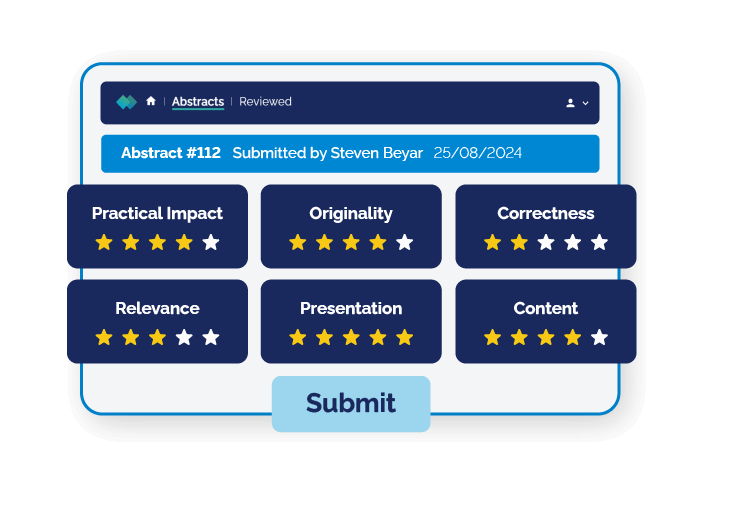
Reviewer Assignment
Assign submissions manually, in bulk, or automatically. Automated assignment can use topics, reviewer expertise, predefined rules, and reviewer quotas to distribute submissions efficiently while maintaining organizer control.
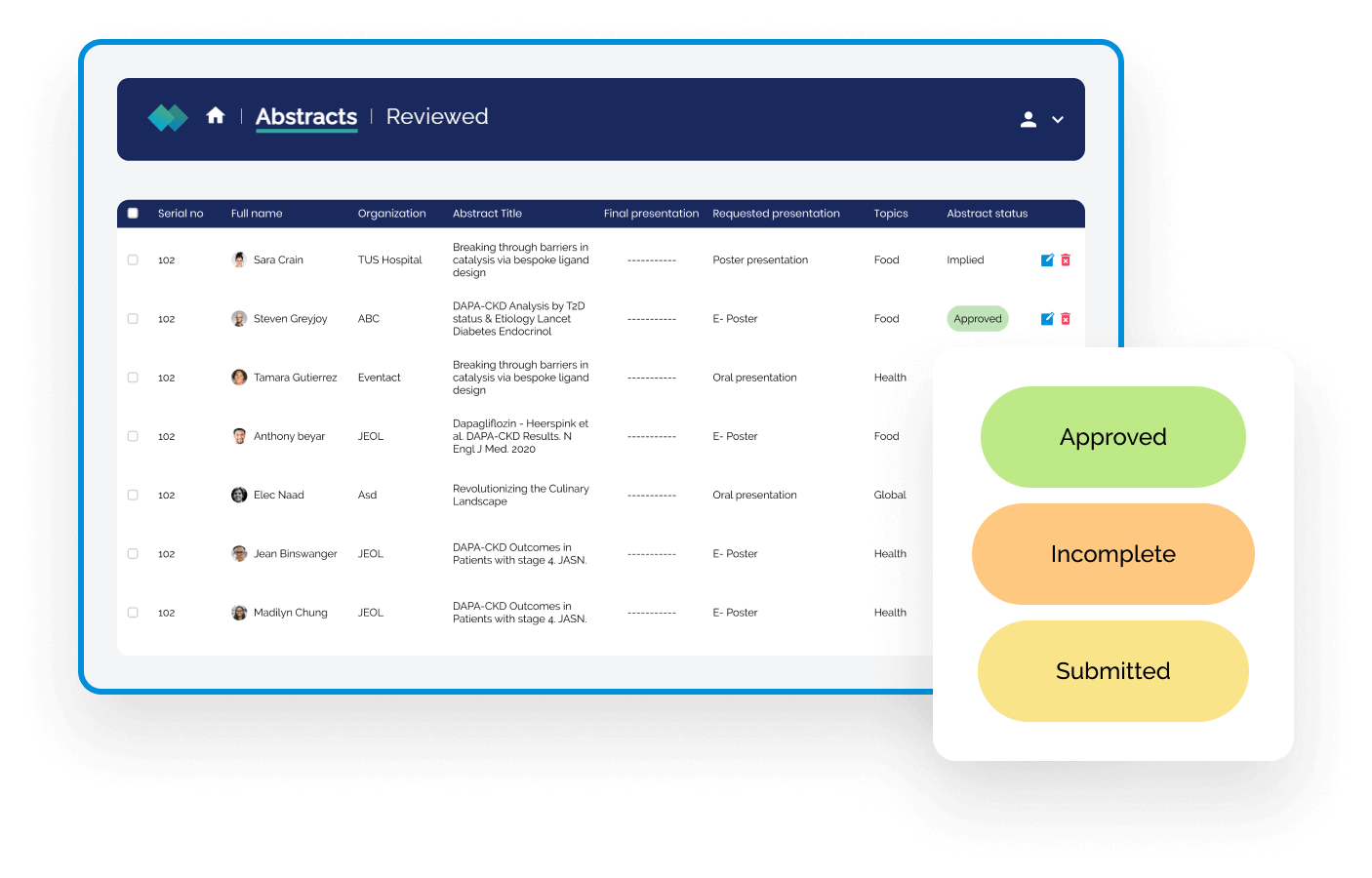
Committee & Chair Portal
Give committee members and track chairs oversight of the abstracts within their areas of responsibility. View reviewer scores and comments, compare average grades, monitor incomplete reviews, evaluate submissions, and record final decisions.
Decision & Author Communication
Manage acceptance, rejection, revision, presentation type, and other decisions while keeping authors informed throughout the process. Use configurable message templates and submission data to communicate consistently with authors and presenters.
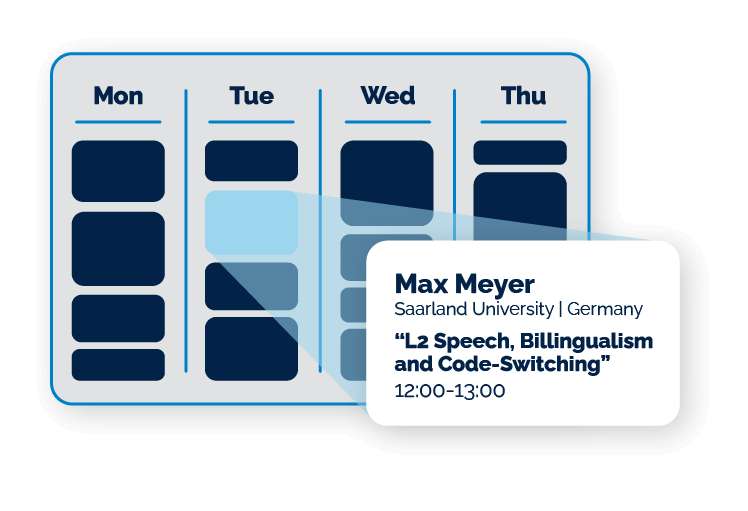
Scientific Agenda Builder
Transform accepted abstracts into the conference program without rebuilding the data. Create multi-day and multi-track programs containing:
- Sessions
- Lectures
- Oral presentations
- Poster sessions
- Speakers
- Chairpersons
- Rooms
- Online sessions
- Sponsors
Changes can be reflected in the published conference agenda without maintaining a separate program database.
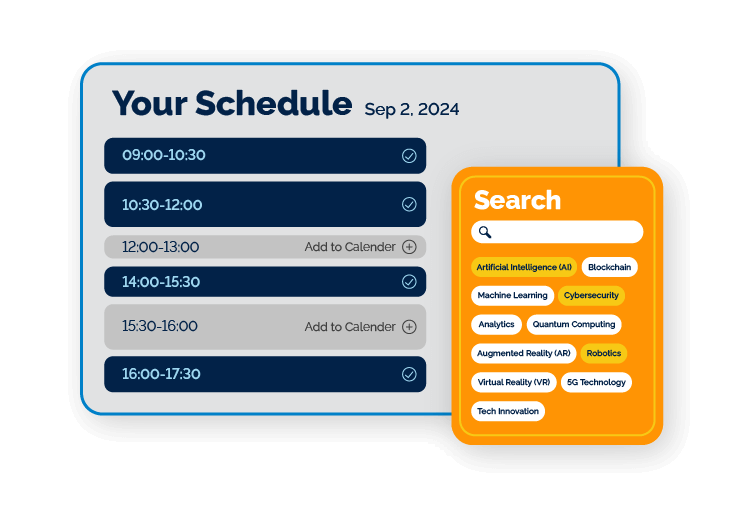
Interactive Conference Agenda
Publish an interactive agenda that allows attendees to search and filter the scientific program, explore sessions and lectures, view speakers and abstracts, create personal schedules, and add selected sessions to their calendars. The same program can be presented through the conference website and event app.

Speakers & Presenters
Create speaker profiles with photographs and biographies and connect them with their lectures, abstracts, posters, and sessions. Maintain the relationship between authors, presenting authors, speakers, scientific content, and conference registration.
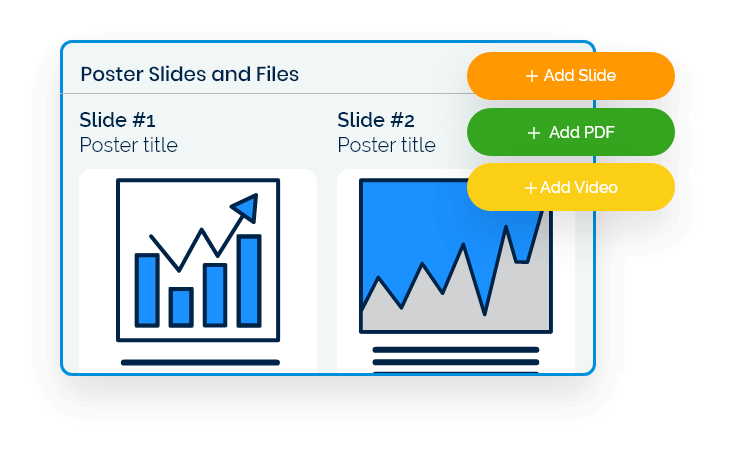
E-Poster Collection
Allow presenters to upload and update electronic posters, including PDFs, multi-slide content, and video. Manage poster collection as part of the same scientific-content workflow rather than through a separate system.
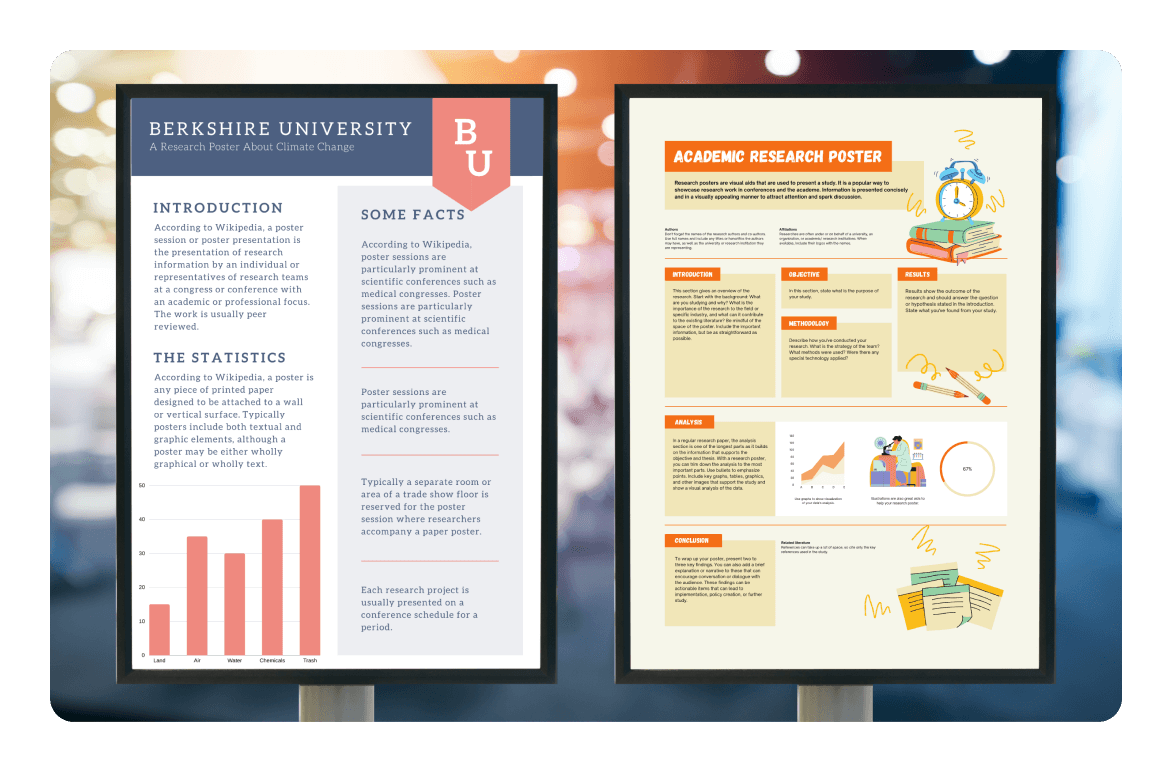
Interactive E-Posters
Make electronic posters available through onsite displays, the event website, and the event app, allowing both onsite and remote participants to explore poster content.
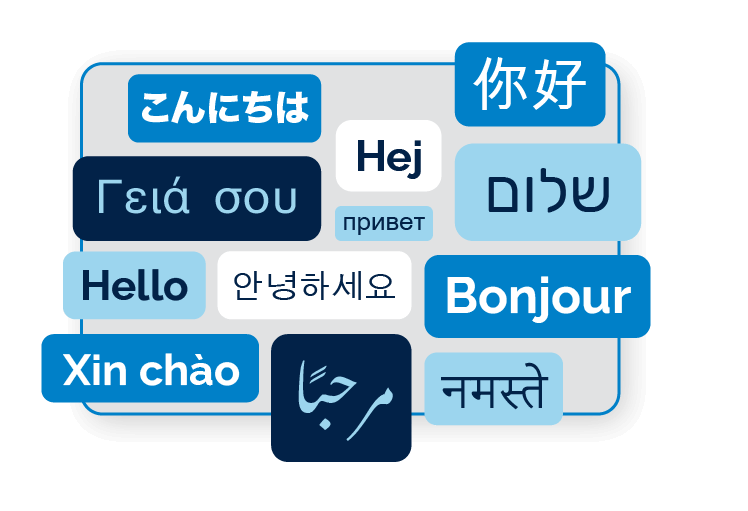
Multilingual Conferences
Manage multilingual abstract submissions, review processes, scientific programs, agendas, and published content within one conference project.
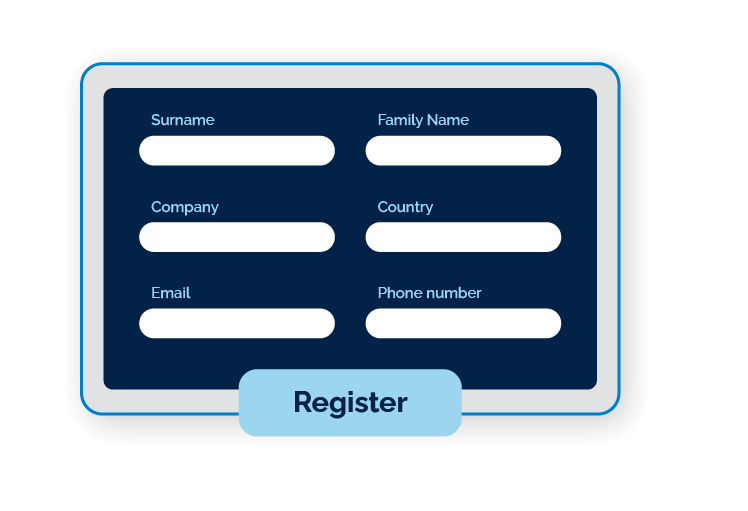
Conference Registration Integration
Connect abstract management with conference registration. Create rules around the relationship between submissions and registration — for example, requiring presenters or submitters to complete registration according to conference policy.
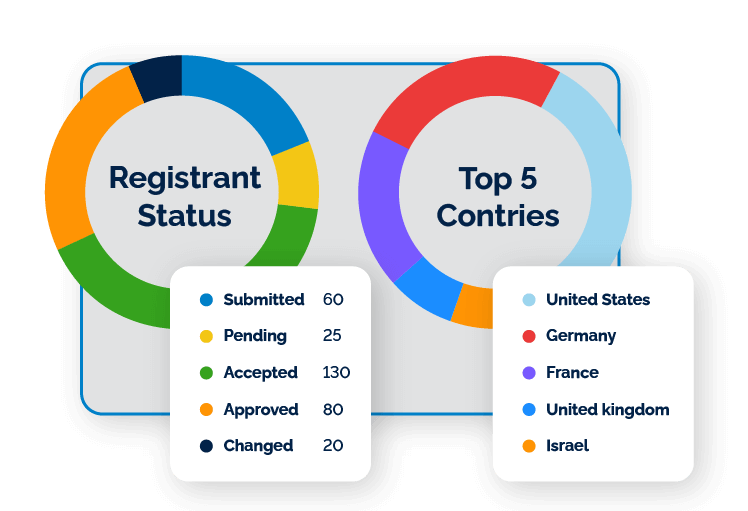
Reports
Use built-in and configurable reports to monitor submissions, reviews, decisions, authors, presenters, and program information. Export report data to Excel for additional analysis or sharing with committees and conference partners.
Data Import & Export
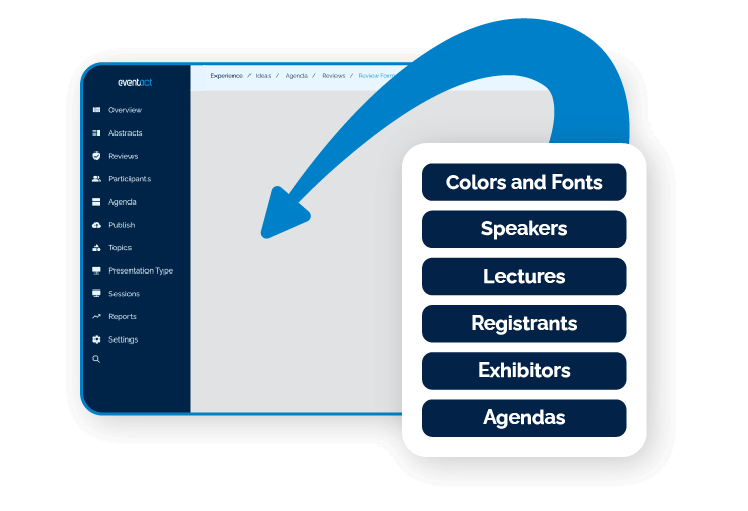
Import and export abstracts, authors, and related data using Excel, making it easier to migrate information from previous systems or exchange data with partners.
Customization
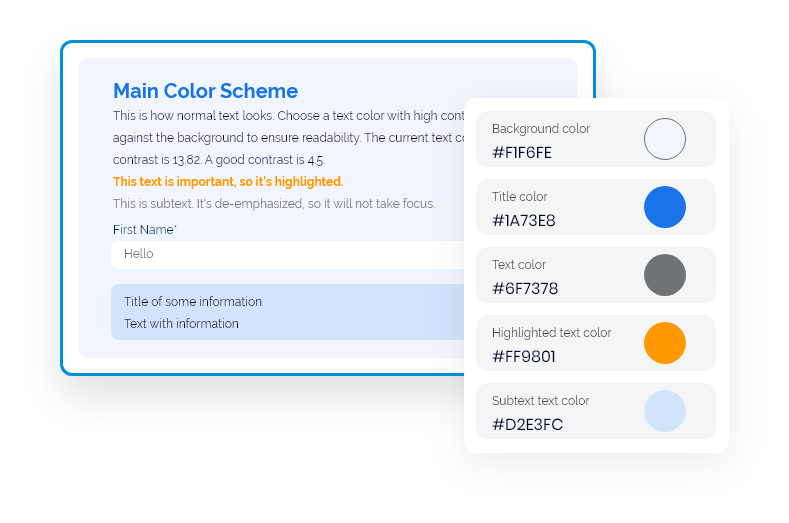
Configure the participant-facing and administrative workflow around your conference. Customize submission forms, review forms, grading formulas, reviewer workflows, online agendas, email templates, and other elements of the process. Conference communications can also use your conference domain as the email origin.
API Integration
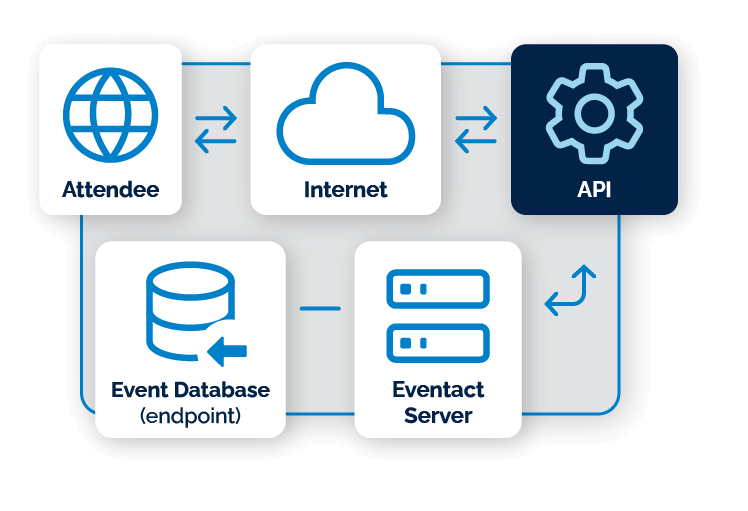
Use the Eventact API to exchange abstract, agenda, speaker, and related conference data with other systems or to build conference-specific integrations.
One Platform for the Entire Scientific Conference Workflow
Abstracts are not isolated records. They become presentations. Authors become speakers and attendees. Accepted submissions become sessions and posters. The scientific program becomes the agenda attendees use during the conference.
Eventact keeps these processes connected — from the first submission through peer review and committee decisions to registration, program publication, e-posters, and the event itself.
Manage the complete abstract lifecycle with Eventact.
Ready to see Eventact in action?
More on Abstract Management
Related Capabilities
How Eventact Works
- Setting Up Abstract Forms
- Abstract Review and Competition
- Accepting Session Proposals
- Abstract Management in Eventact
- The Reviewer Portal
- Abstract Review Portal Click-Through Demo
- Interactive Agenda Click-Through Demo
Other Resources